Main Content
Main Content Area
The Pinnacle of Transplant Technology,
Crown Hair Transplant
MOMO's specialized technique that fills
the empty crown density and restores volume
Female Crown Hair Loss
with Growing Concerns
Women experience hair loss
due to estrogen influence.
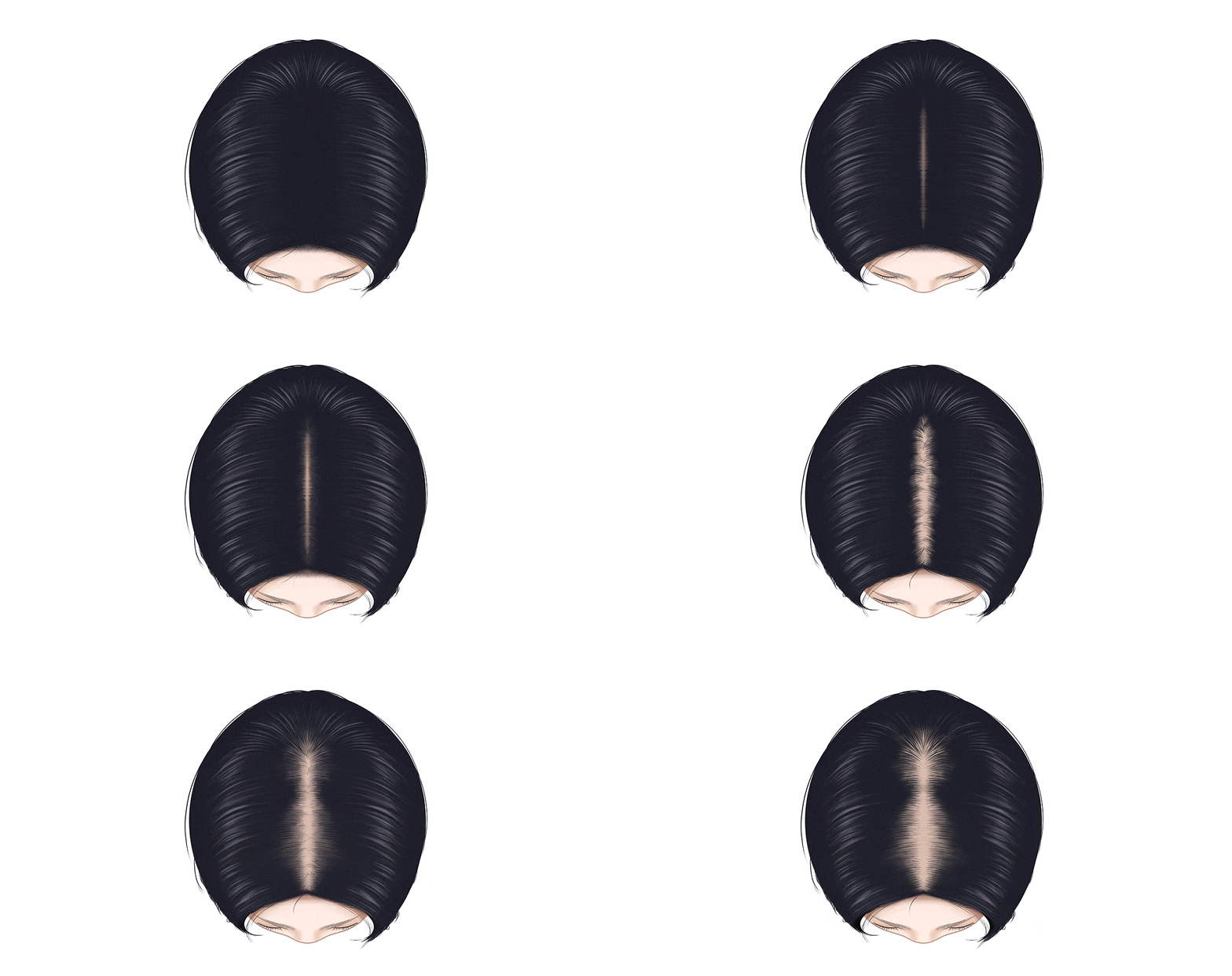
Female crown hair loss occurs when hair becomes thinner and volume decreases, causing the hair part to spread like a Christmas tree shape as hair loss progresses.
Female Crown Hair Transplant
is More Difficult than Male.
-
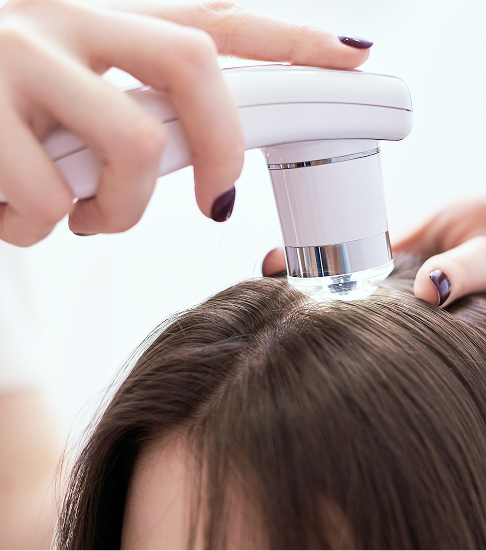
Women have diverse hair loss causes
requiring accurate diagnosis -
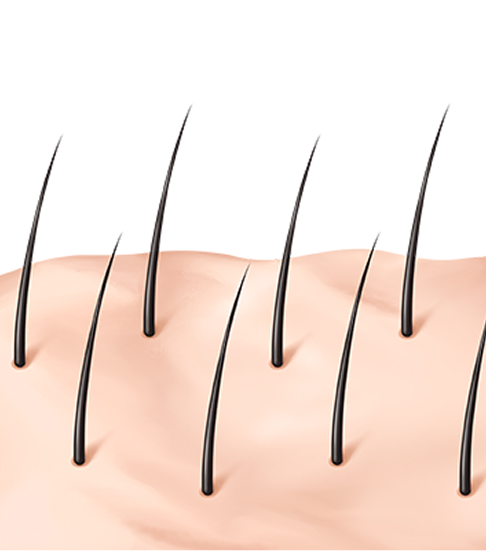
Crown skin characteristics have
low elasticity making graft survival difficult -
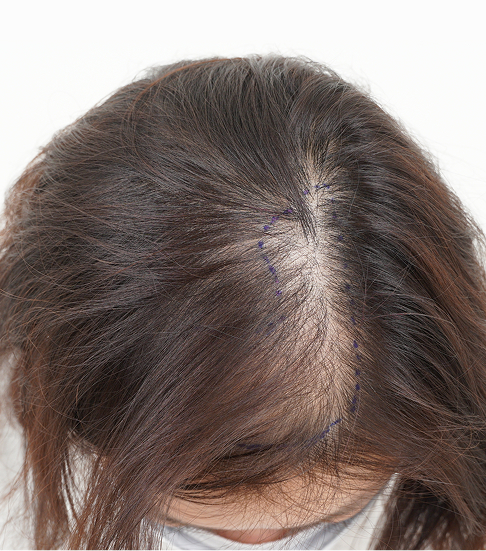
Proper hair volume control to reduce
scalp visibility and restore volume -
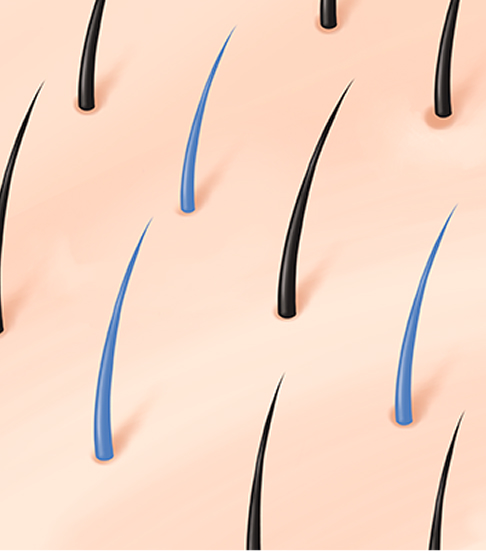
Advanced technique needed to minimize
concurrent loss of surrounding hair
Without a full crown,
both style and confidence decrease.
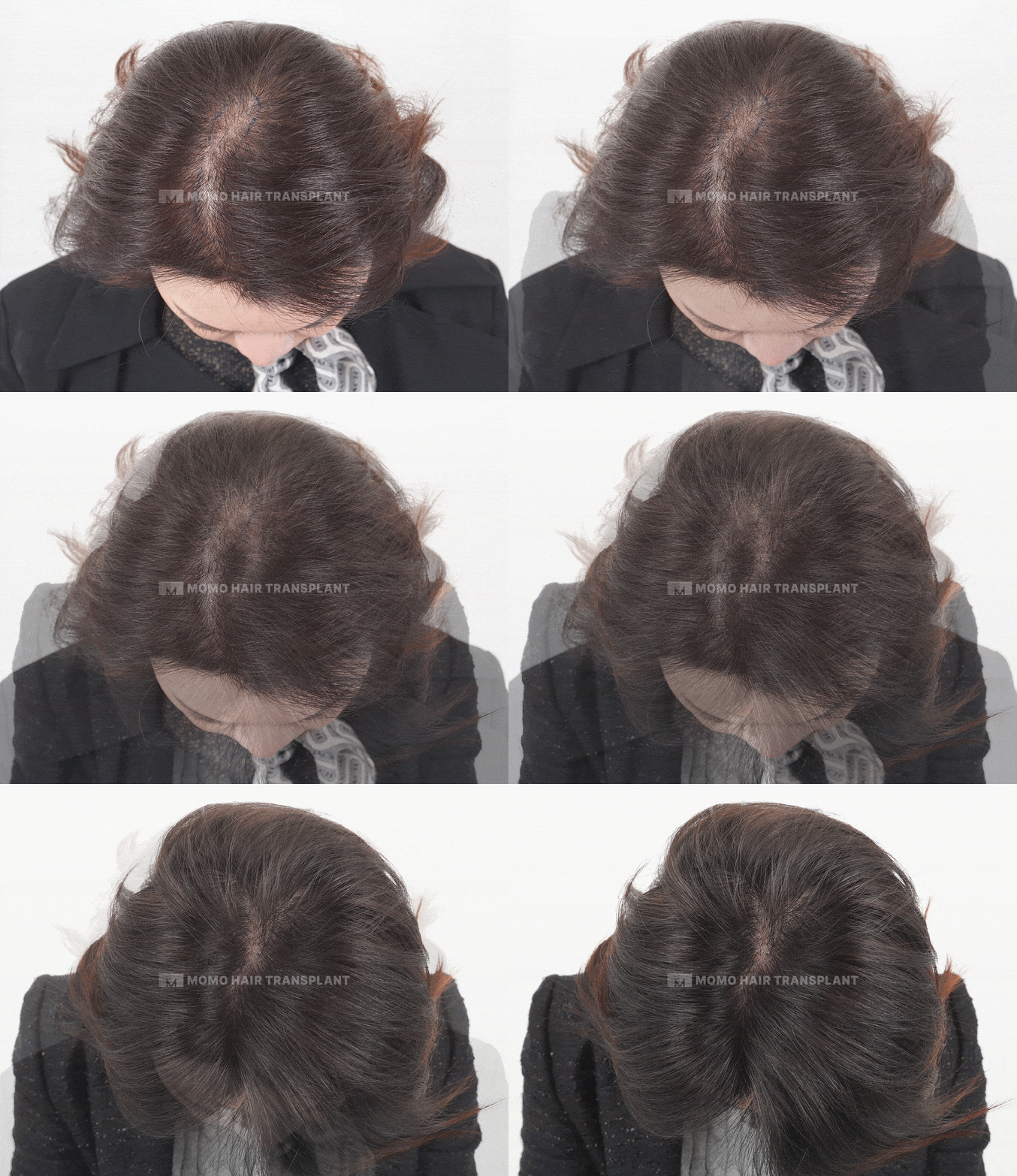
Female crown hair transplant, if not properly diagnosed, can actually worsen hair loss.
After precisely analyzing hair loss causes, hair density, and scalp health, customized solutions are provided only when transplant is effective.
Main Causes of
Female Crown Hair Loss
Female hair loss has various causes, but neglect is dangerous.
-

When sensitivity to male hormones (androgen) is inherited
-

Hair loss from hormonal changes after childbirth, menopause, etc.
-

Hair loss caused by nutritional deficiency from extreme dieting
-

Scalp damage and hair loss from frequent styling like coloring and perming
-

Alopecia areata progression from severe stress
-

Hair loss caused by health issues like ovarian cysts
Female Crown Hair Loss Cases
-
Case 01
Type where hair becomes
thinner overall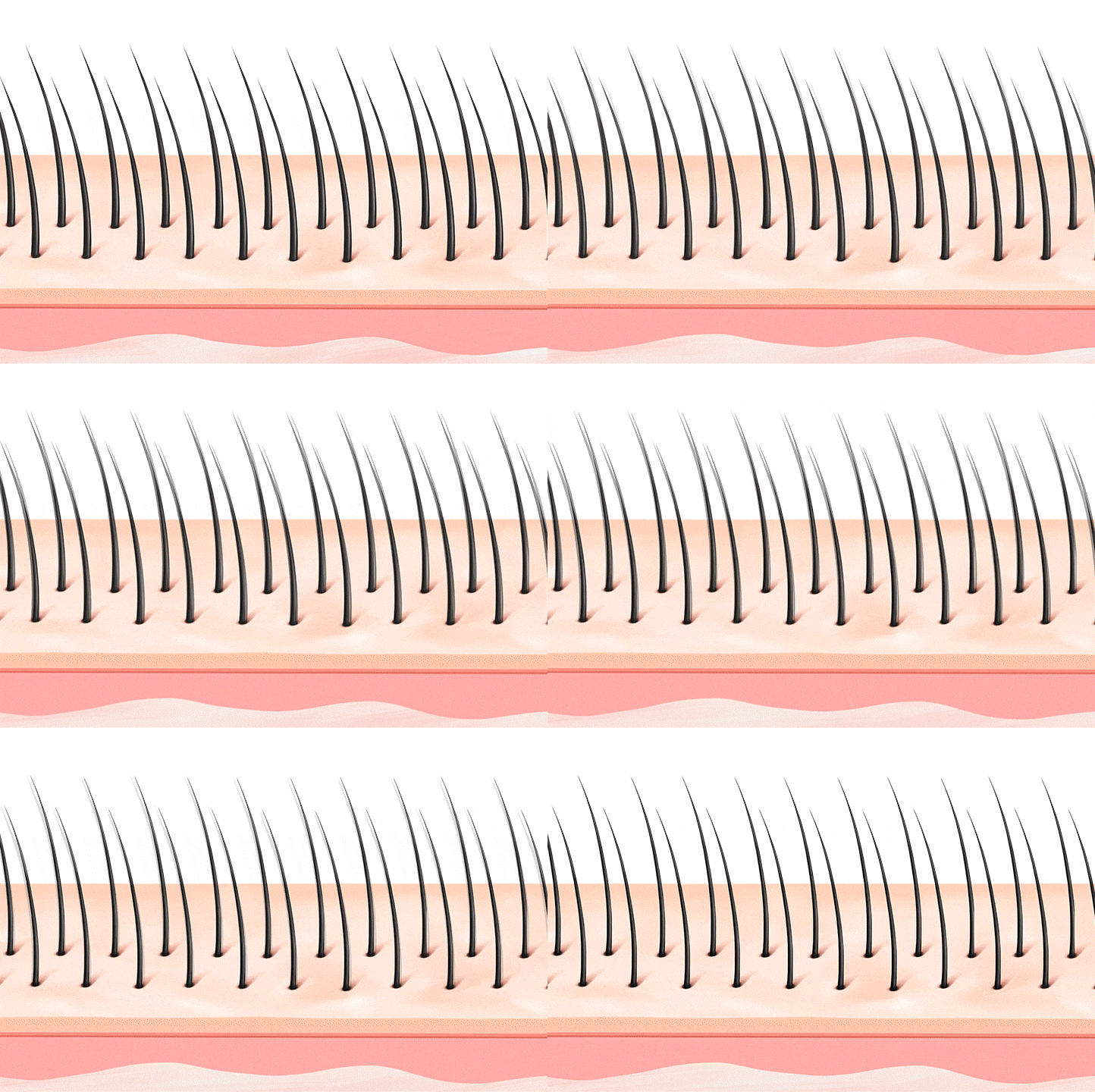
-
Case 02
Type where only some hair becomes
extremely thin and turns to vellus hair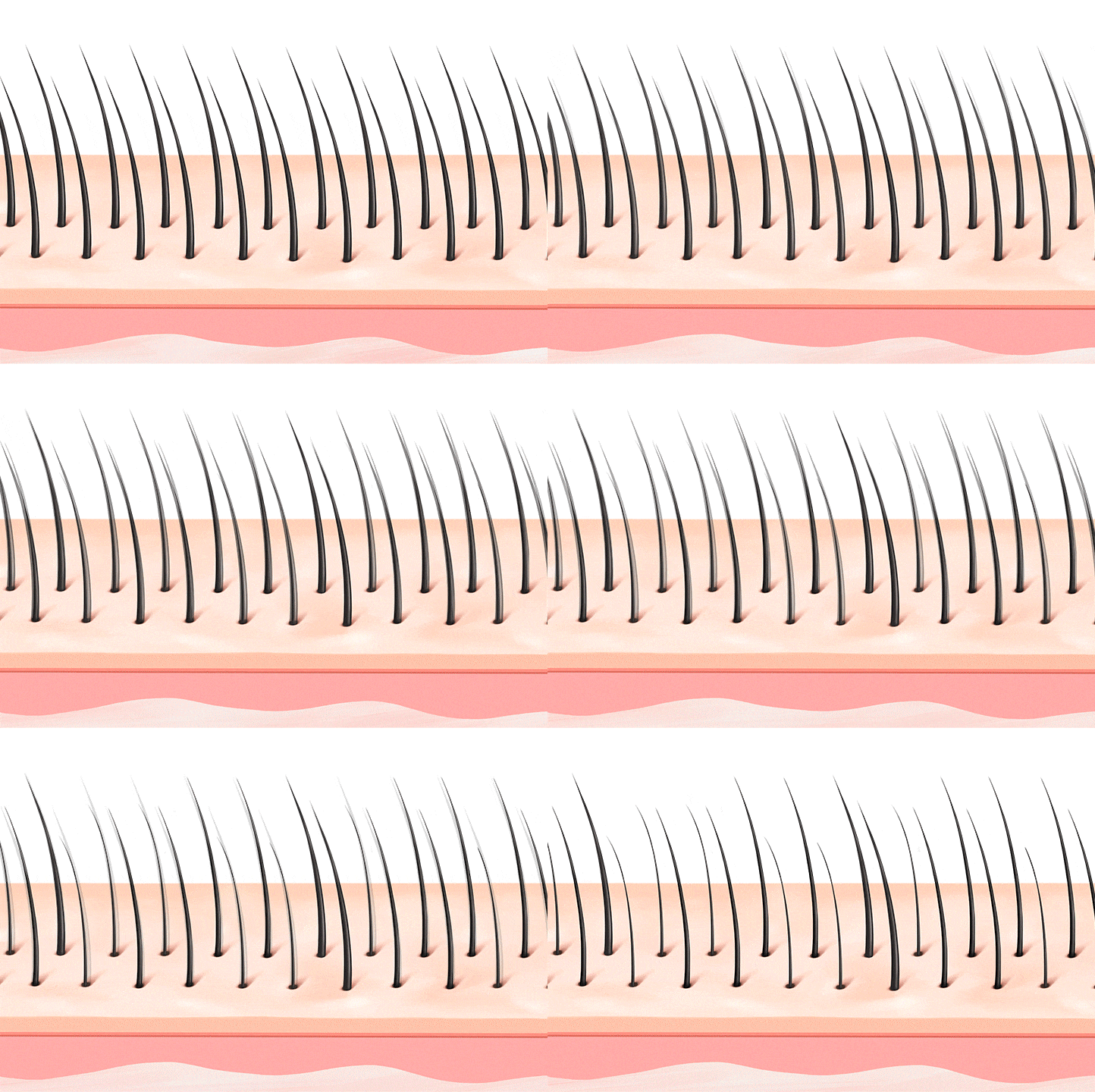
More Delicate
Female Crown Hair Transplant
Crown hair transplant is a high-difficulty procedure
that even hair transplant specialists hesitate to perform.
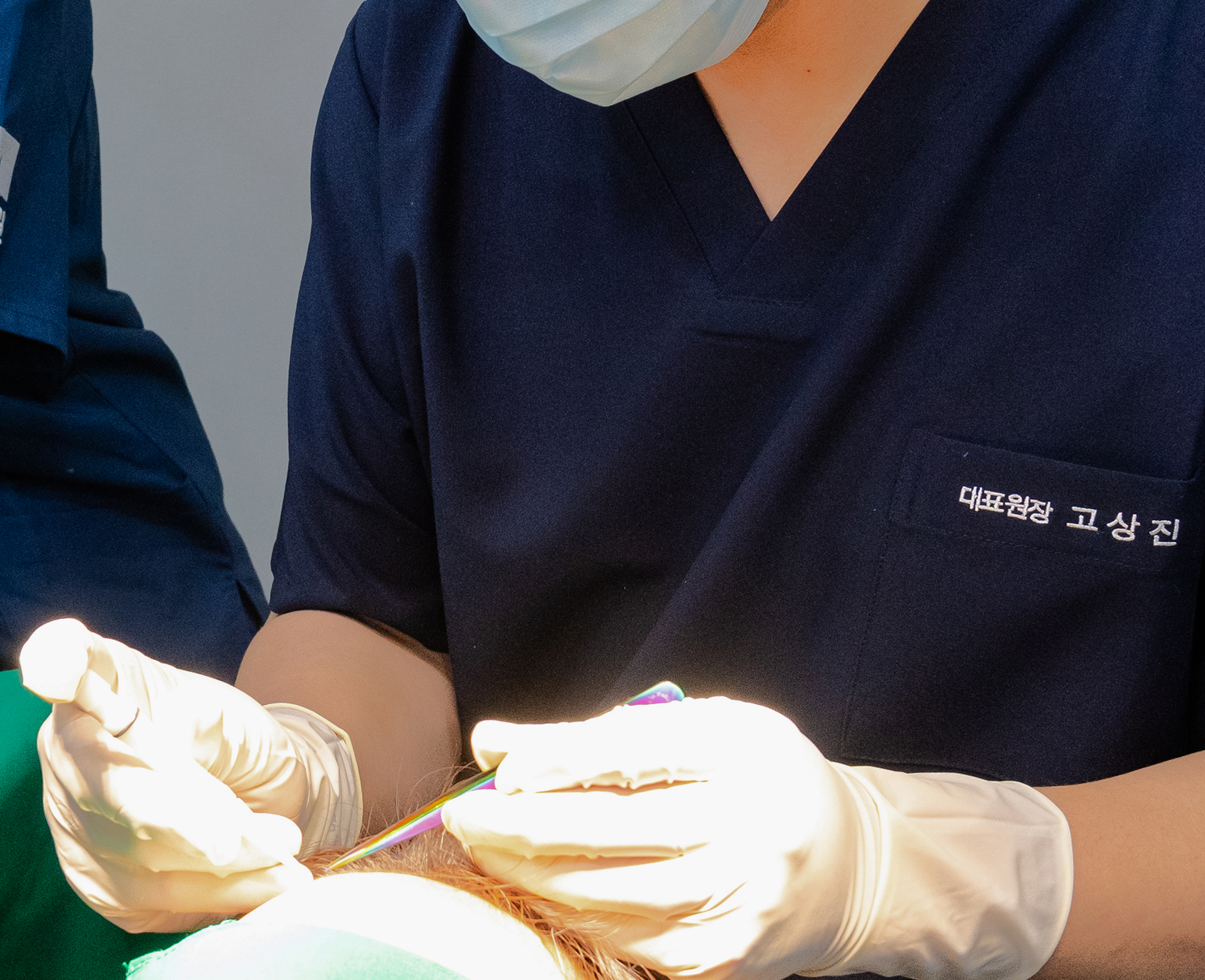
That difficult crown hair transplant,
MOMO accomplishes it.
Why MOMO
Crown Hair Transplant
is Special
- Precise transplant technique
between existing hairs - Securing transplant space
without damaging existing follicles - Proper
hair volume control
Not blindly transplanting large amounts densely, but controlling the proper hair volume
to maximize transplant space
without damaging existing follicles
is the core of MOMO crown hair transplant technique!
MOMO
Crown Hair Transplant Points
-
POINT 01
Precise Transplant Technique
Since the crown has lower skin elasticity than other areas,
we transplant precisely only in empty spaces without disturbing surrounding hair.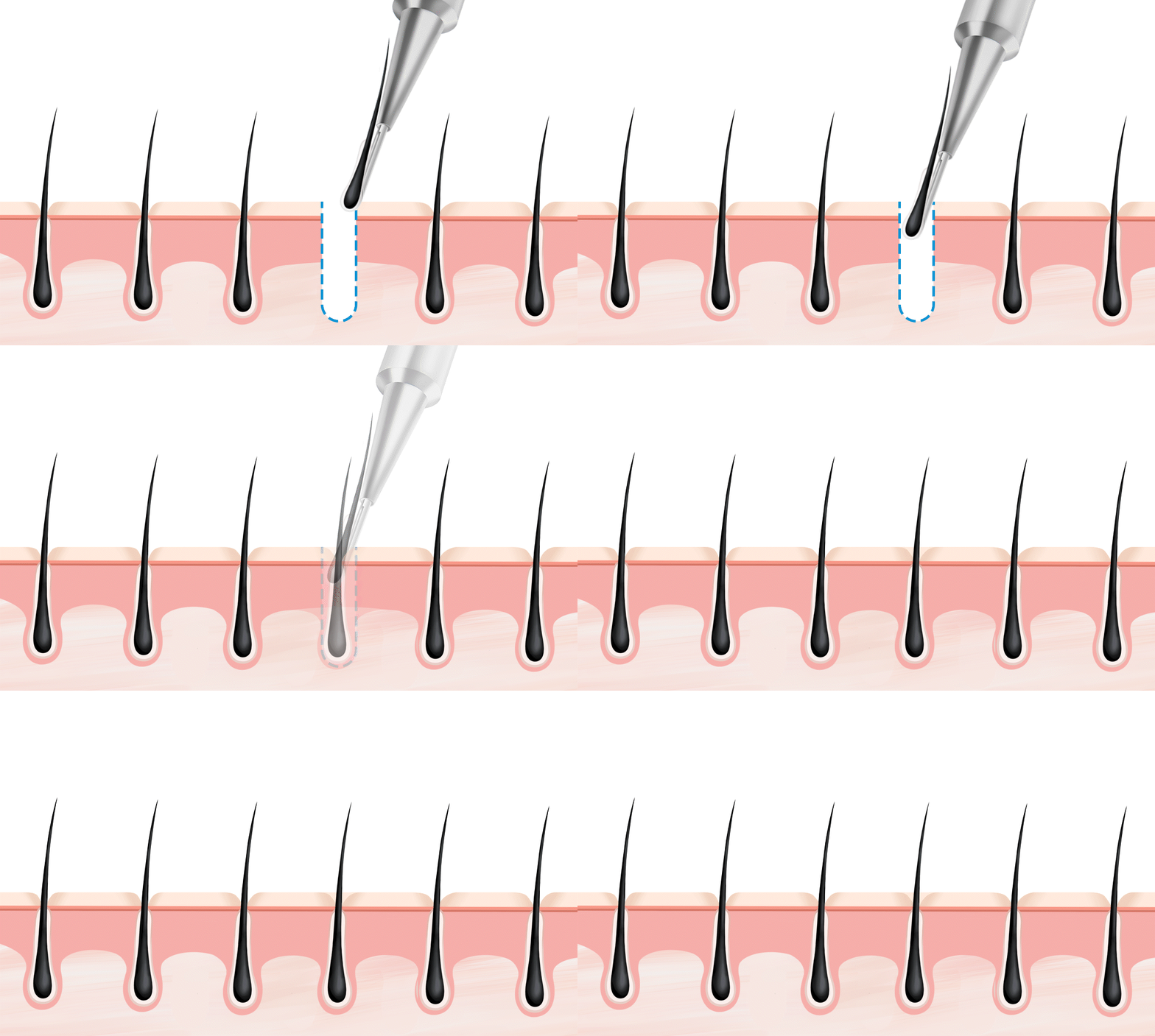
Concurrent hair loss occurs easily in crown hair transplants
Why Concurrent Hair Loss Occurs EasilyUnlike the front hairline, crown transplants involve planting new hair between existing hairs,
so new transplanted hair increases around existing hair, causing environmental changes and stimulation that can lead to concurrent loss.
To prevent concurrent hair loss,
we transplant with precise and delicate technique
reinforcing density in the gaps between
thinning hairs. -
POINT 02
Considering Part Direction
Hair part direction varies by person. We transplant considering the original direction.
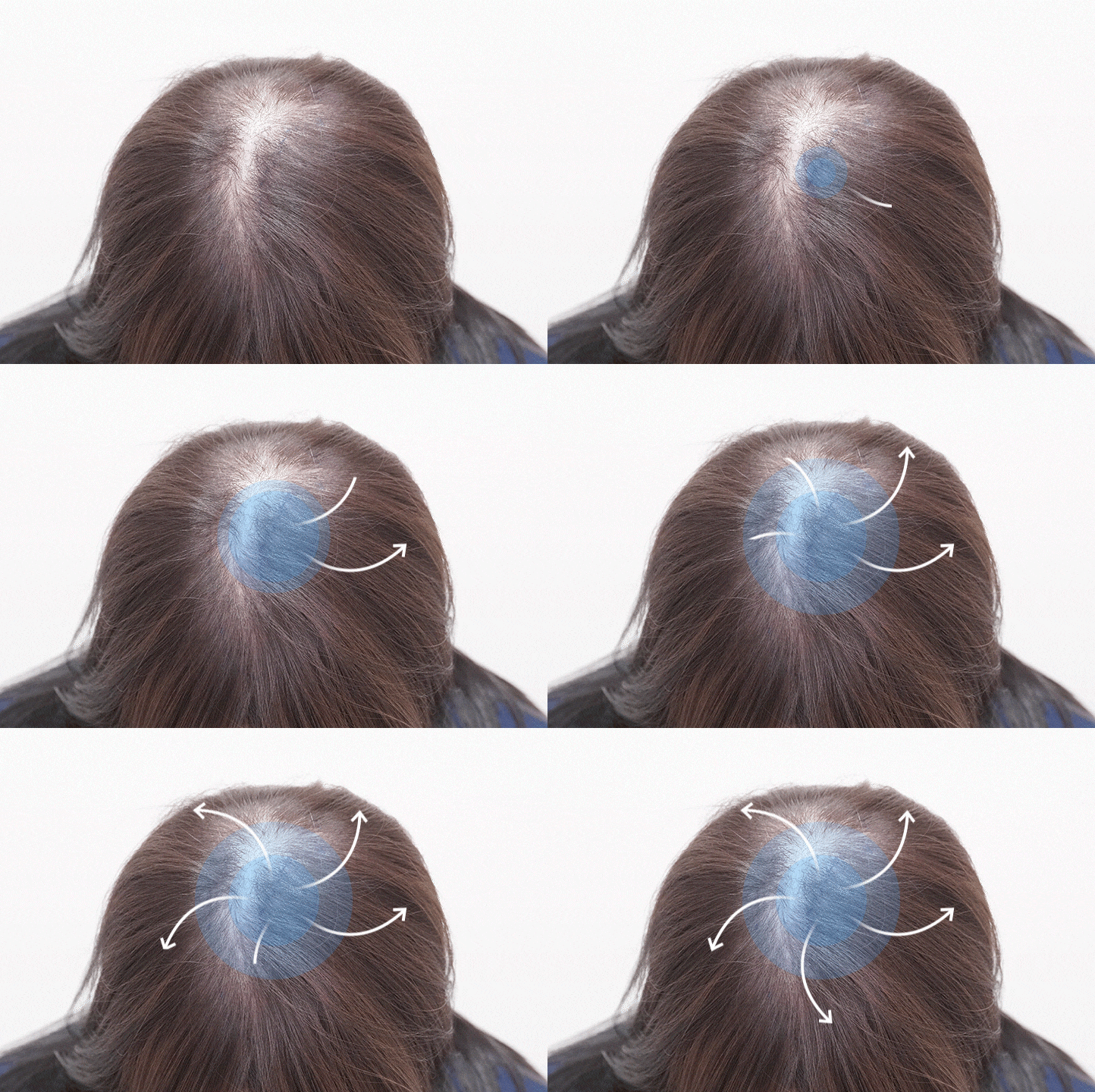
Crown hair part direction varies by person.
We accurately identify the hair flow around the crown whorl,
find positions by parting through the hair,
using thick hair for areas needing density reinforcement, and
thin hair for connecting areas,
transplanting delicately so it blends naturally with existing hair. -
POINT 03
Proper Hair Volume Control
We transplant the appropriate amount without excess.
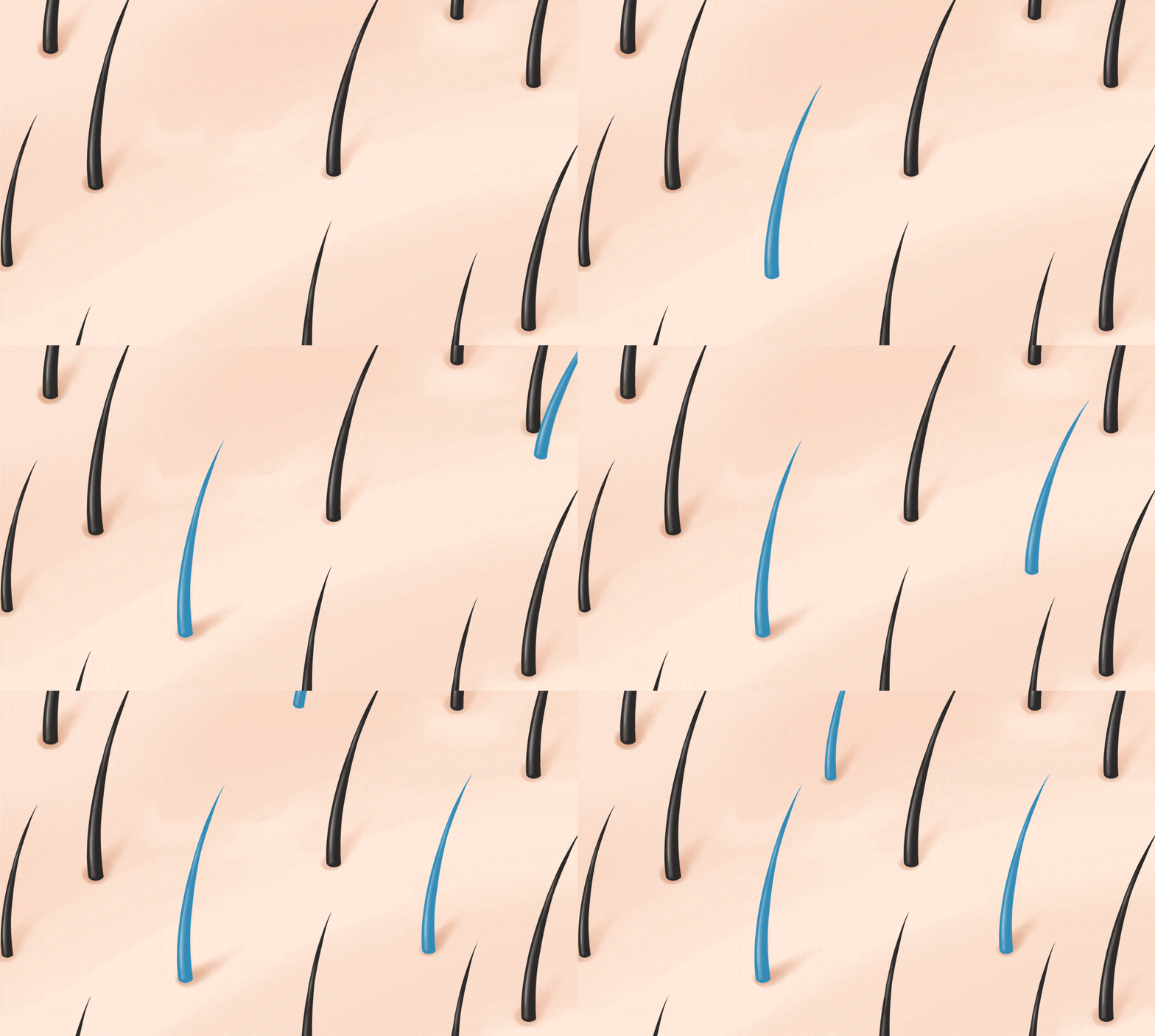
Unlike high-density M-type transplants,
we must cover a wide area while considering hair direction, thickness, and scalp condition. - Overall
BalanceThin
HairThick
HairNormal
HairVellus HairNot aiming for unconditional high density
by transplanting densely,
it's important to transplant the proper amount
considering overall balance.
Crown Hair Transplant Plan
step 1
Pre-surgery customized consultation
and hair loss cause diagnosis
step 2
Treatment or surgery
based on diagnosis
step 3
Transplant harmoniously with
existing hair part direction and thickness
step 4
Post-transplant hair loss management
through medication and supplements
MOMO Speaks Through Results
Female Crown Hair Transplant
-
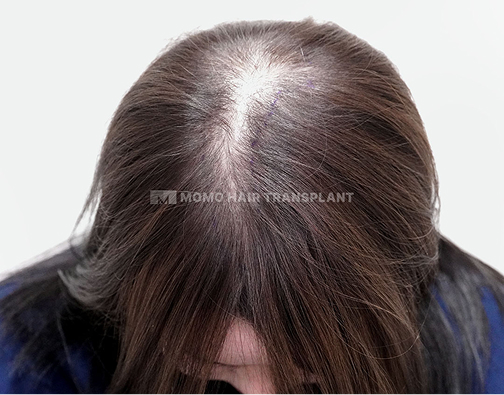
Before 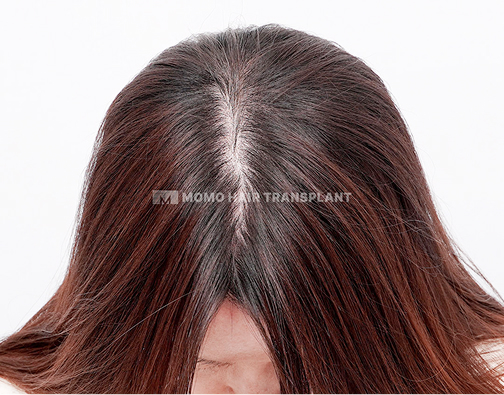
After - Crown Hair Transplant
- 3,000 grafts
- 368 days elapsed
2024.01.12 ~ 2025.01.14
-
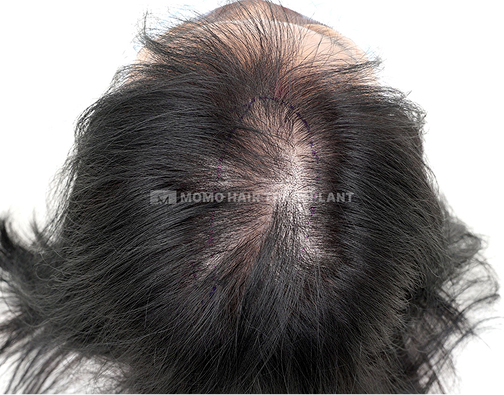
Before 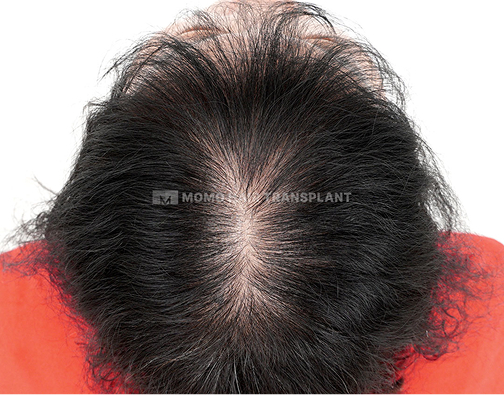
After - Crown Hair Transplant
- 3,000 grafts
- 366 days elapsed
2023.05.25 ~ 2024.05.25
-
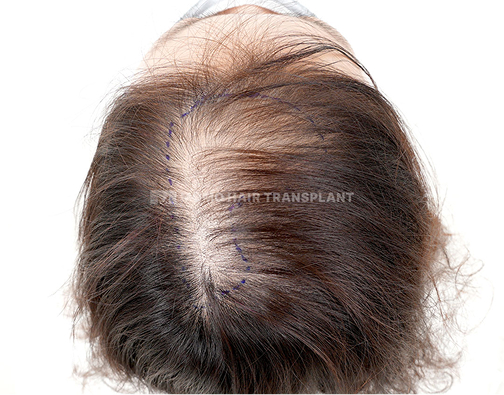
Before 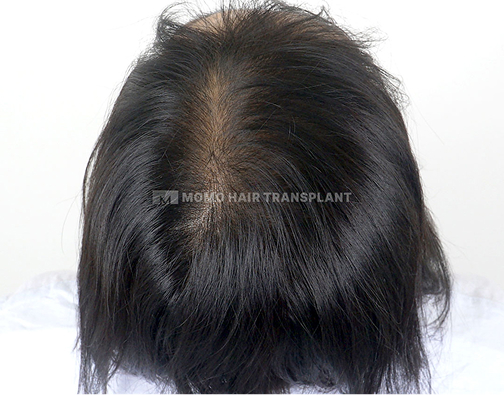
After - Crown Hair Transplant
- 3,500 grafts
- 374 days elapsed
2022.08.04 ~ 2023.08.13
-
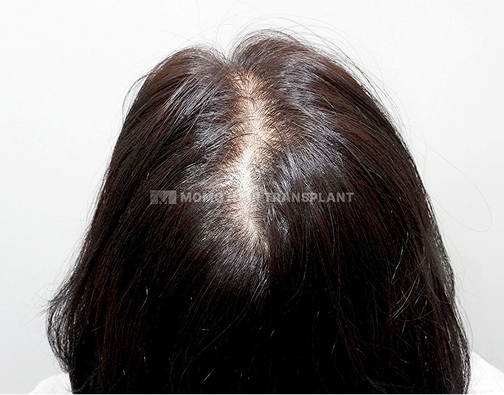
Before 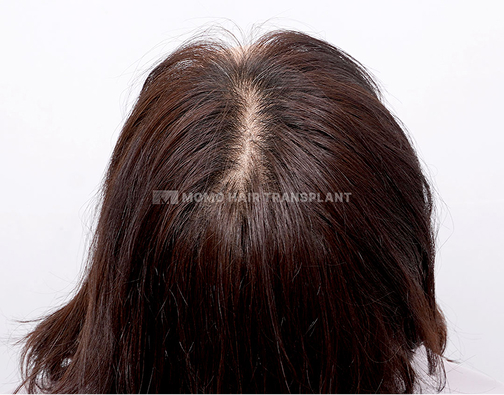
After - Crown Hair Transplant
- 4,000 grafts
- 368 days elapsed
2023.12.28 ~ 2024.12.30
-
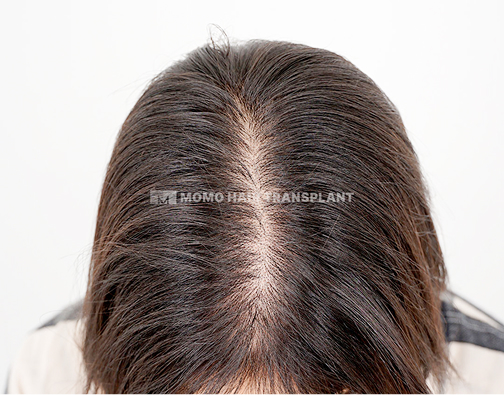
Before 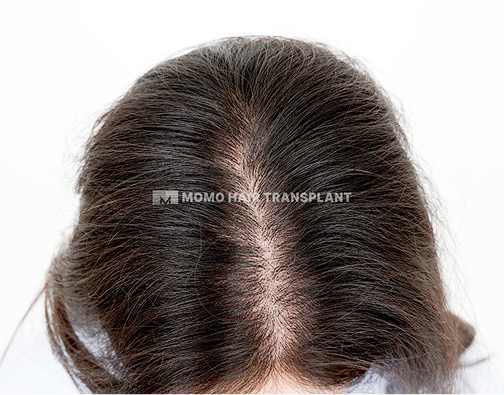
After - Crown Hair Transplant
- 3,000 grafts
- 472 days elapsed
2022.05.16 ~ 2023.08.31
-
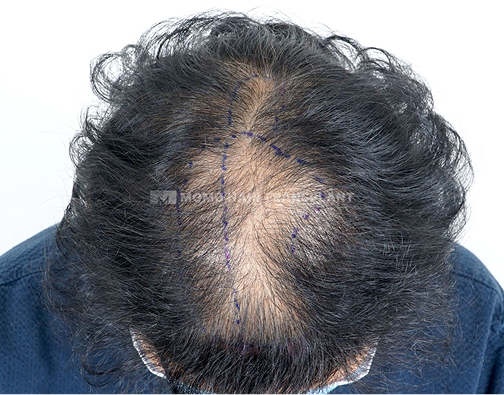
Before 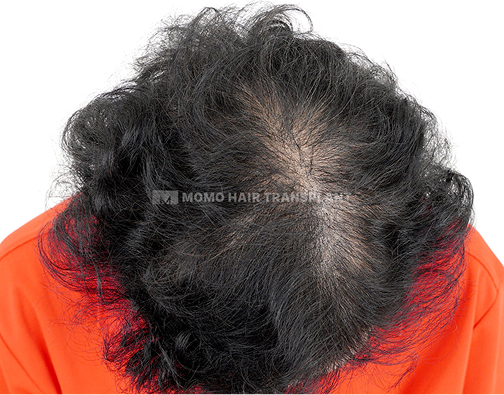
After - Crown Hair Transplant
- 4,000 grafts
- 427 days elapsed
2023.05.16 ~ 2024.07.16
* These photos were taken under identical conditions with the customer's consent.
* Results may vary by individual after surgery or procedure. Side effects such as inflammation, bleeding, infection, and asymmetry may occur, so please consult thoroughly with your medical staff before proceeding.
Frequently Asked Questions
Questions and answers about crown hair transplant. For more detailed information, we recommend consulting with a specialist.
- q.
Why is female crown hair transplant needed?
a.For women, hair in the crown area often becomes thinner or hair loss progresses.
Hair transplant helps solve this problem and restore natural scalp density. - q.
How is hair transplant performed?
a.Hair transplant is generally performed using FUE (Follicular Unit Extraction) or FUT (Strip) methods. FUE involves individually extracting and transplanting follicles, while FUT involves cutting a strip of scalp to transplant follicles. The transplant method is planned after diagnosing the patient's hair loss and scalp condition.
- q.
Is female hair transplant more difficult than male?
a.For women, hair transplant may require relatively more delicate technique as hair loss patterns differ from men. Especially for women, it's important to transplant naturally while protecting existing hair.
- q.
Does crown hair transplant have lower survival rate compared to other areas?
a.The survival rate is not necessarily lower just because it's the crown. Due to crown skin characteristics having low elasticity, there may be difficulties with graft survival, but this is not a problem as hair transplant is performed considering scalp elasticity through individual crown condition and consultation. Through MOMO's technique and experienced medical staff's delicate approach, stable survival rates can be maintained even in the crown area.
- q.
Do I need to keep taking hair loss medication after crown hair transplant?
a.Hair loss doesn't disappear just because you had a transplant. Hair loss medication should be taken consistently even after transplant to prevent existing hair from falling out.
- q.
Are there cases where crown hair transplant is not possible?
a.If there is not enough space for transplantation, medication treatment may be recommended instead of transplant.
The crown tends to respond better to medication compared to the M-type area.